
‘It is a wet afternoon in Glasgow, May 2062. The temperature is barely six degrees above freezing, the Clyde has burst its banks as is now customary for this time of year, and is lapping about the entrance to the old Central Station, now the R. D. Laing Cultural Exploratorium. The upper floors are a museum, the ground level a hydroponic research gardens. The red iron-rich waters lapping around the station’s baroque entrance have become one of the sights of the city.
The rain is incessant, but Glasgow is buoyant. The GI (how old-fashioned the acronym sounds now – as if ‘international’ still means something) has just opened, now well into its sixth decade. Its legendary founder, and now honorary President has just made an appearance at the show’s opening in a climate controlled inflatable. At 95, she is remarkably sprightly, and makes a point of attending each opening in…
View original post 767 more words
Frederick Huth Jackson’s Diary
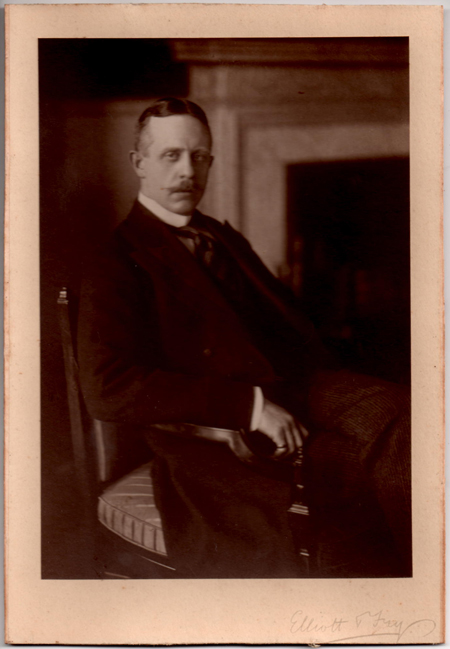
Frederick Huth Jackson (1863-1921)
Frederick Huth Jackson kept a diary of his visit to New Zealand in 1883-84. Frederick Huth Jackson Diary 1883 lo res.
He was aged 20 at the time.
The first half survives, and was transcribed by Richard Fremantle in the early 70s. This covers his own journey to New Zealand on the SS Ionic and his travels through the North and South Islands. The second half, describing his time escorting Baron Hübner, is sadly missing.
Ayr Converses Walk


Ayr Converses Walk, a set by www.dooks.org on Flickr.
Chris Dooks, Morag Deyes, Rob Close, Lianne Hackett and I were taken for a walk around the Ayr by Kevin Bell (Surveyor at J&E Shepherd). These are some images Chris Dooks took, particularly in the vicinity of Plot 9.
What art have I seen?
Richard Wright, Works on Paper, Kelvingrove Art Gallery with excellent documentation on the Modern Institute’s site.
Posted to ecoartscotland.net

Art after nature: TJ Demos on the post natural condition, in Artforum (April 2012) is, as Suzaan Boettger pointed out, important because it represents a key moment demonstrating that ecoart is impacting on mainstream contemporary art’s discourses (maybe).
Perhaps more importantly, the piece concludes with the work of artists who are at this moment, as has happened at key points in the past, choosing to position the focus of their work outside the artworld. Artists such as Nils Norman, whose work Demos focuses on, as well as Fritz Haeg, Superflex, Marjetica Potrc, Art not Oil, Allora & Calzadilla and The Yes Men all engage directly with the biopolitical and the eco-financial (though the work of many of these can be seen in galleries and museums pretty regularly, e.g. Haeg’s Animal Estates 1.0 was included in the Whitney Biennial in 2008). It would be trite…
View original post 1,583 more words
New Growth Walking from Renton to Kilmahew, 9 June 2012
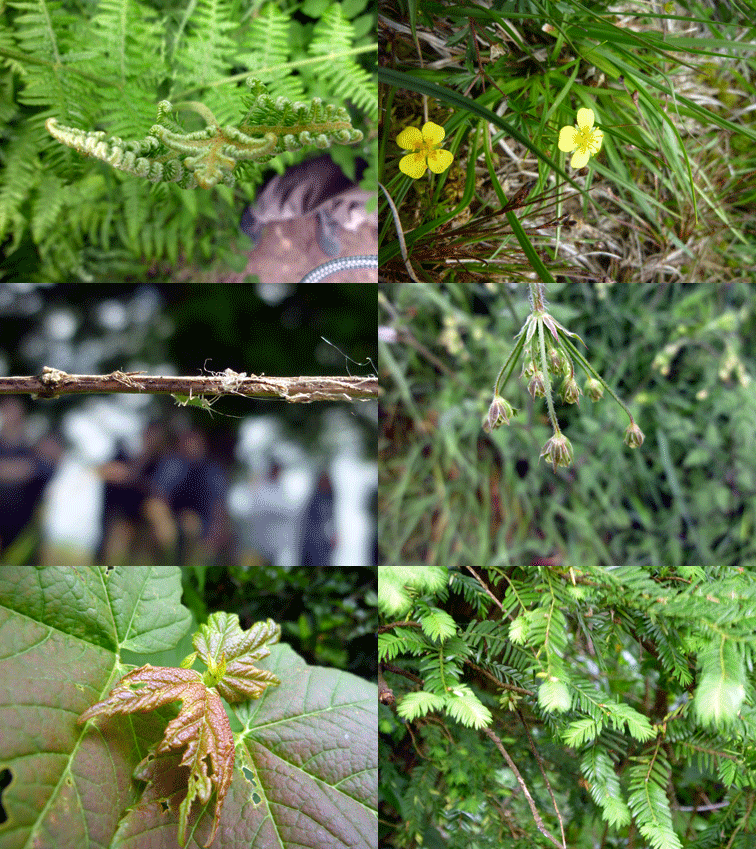
Invited to participate in the Invisible College.
Walked from Renton to Kilmahew.
Looked for new growth.
Thoughts on VeloCity
PAR+RS will be covering VeloCity, starting with this piece. VeloCity is an ambitious programme for Glasgow’s public realm leading up to the Commonwealth Games, 2014, and looking beyond. Glasgow has used key events (Garden Festival, 1988; European City of Culture, 1990; City of Architecture and Design, 1999.

 CHRIS FREMANTLE
leave a comment