What art have I seen?
The School of the Art Institute of Chicago Sullivan Galleries
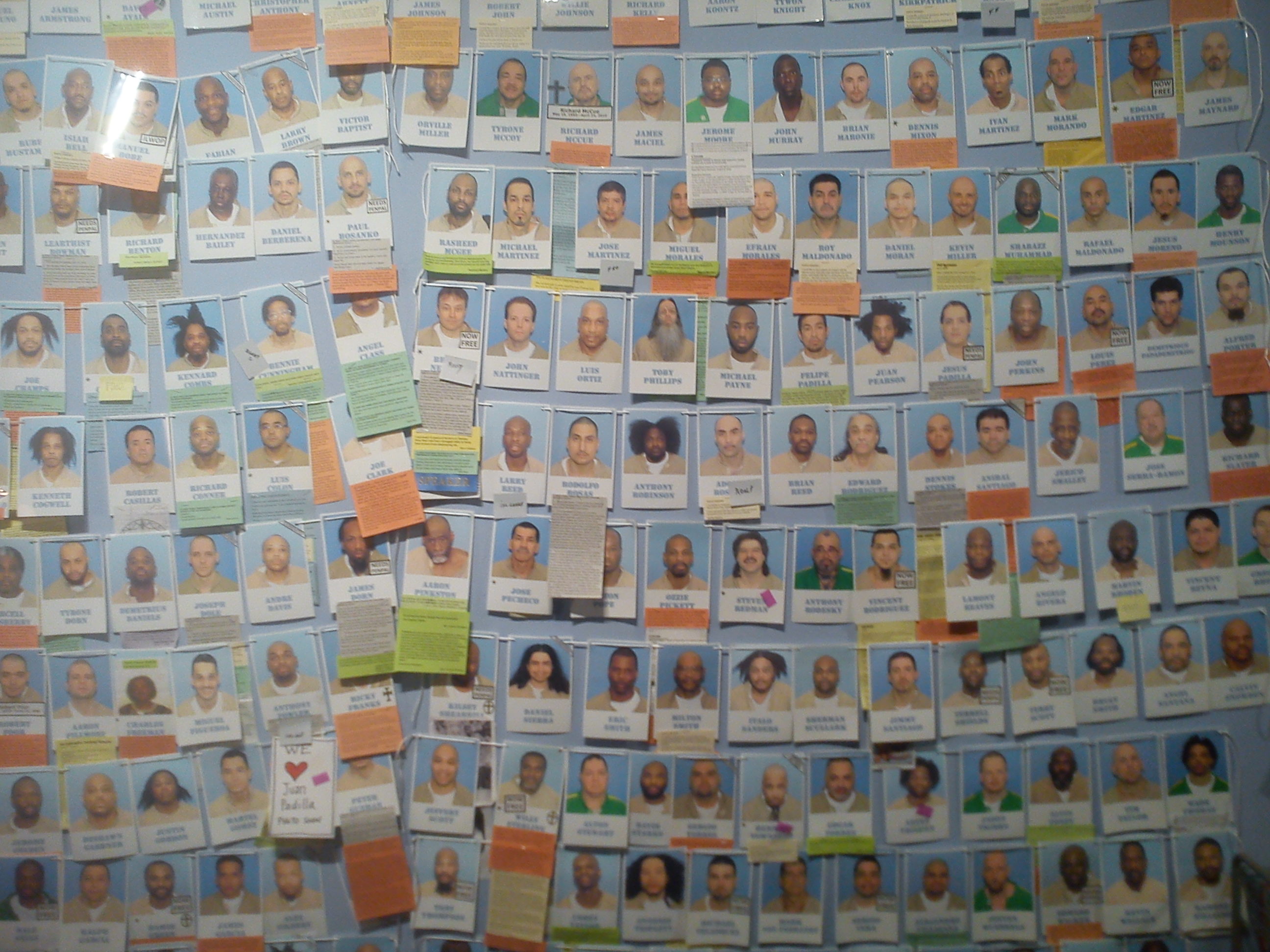
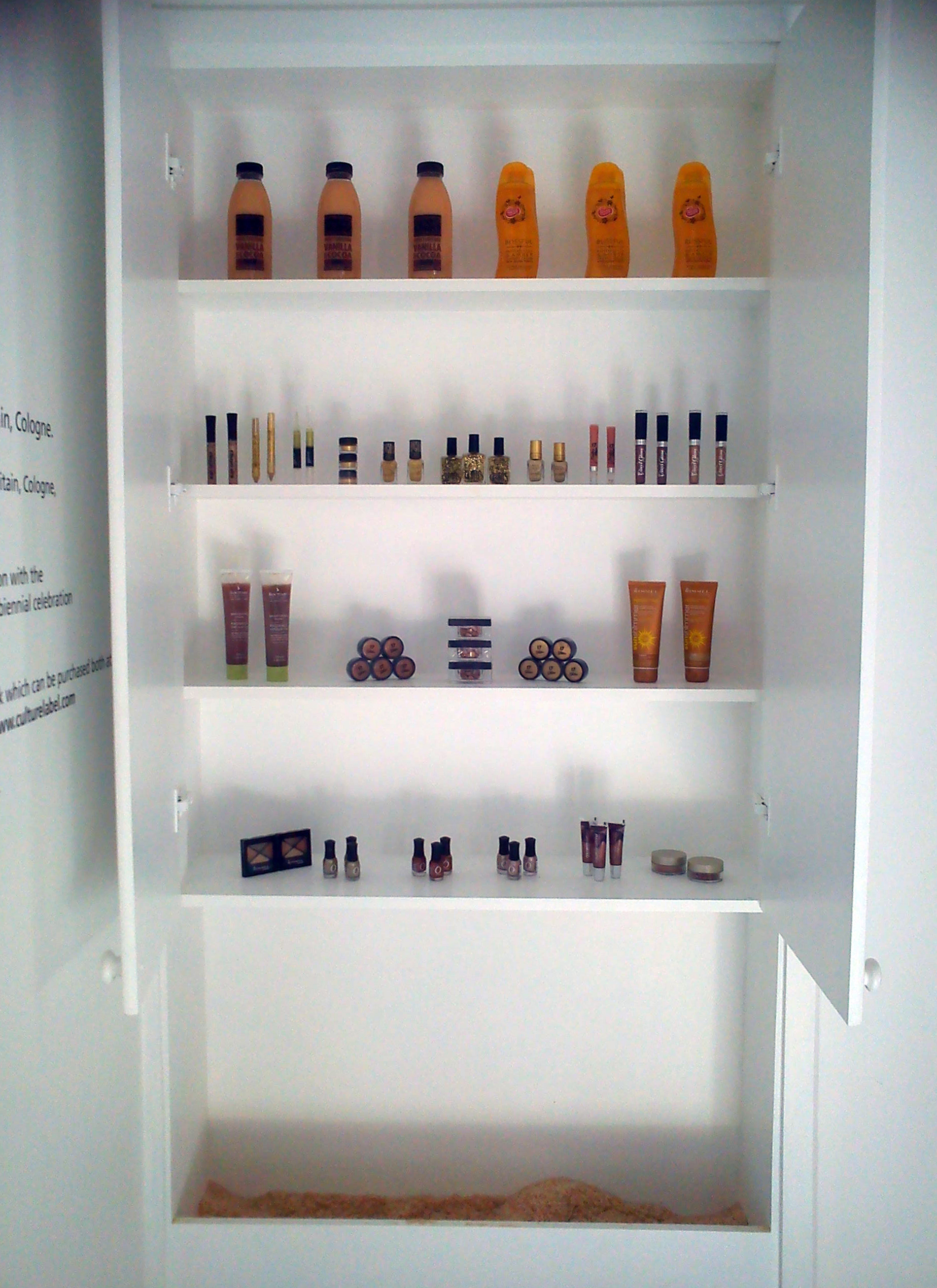
Tamms Ten Year Campaign Office (detail). Photo Chris Fremantle
Tamms Ten Year Campaign Office – Tamms was a supermax prison designed to hold individuals in solitary confinement and sensory deprivation. Amongst the Tamms Ten Year Campaign initiatives to get people to use their airmiles to send inmates magazine subscriptions.
Opening the Black Box: The Charge is Torture – more than 70 proposals for a memorial to the victims of the Chicago Police Department.
Preview: A Segment from Natural Life (a work in progress). Imagine having been put away for life aged 15. Actors narrate the experiences of middle aged men as well as the their victims.
What art have I seen?
Of Natural and Mystical Things, Royal Scottish Academy, Edinburgh
What art have I seen?.
The Individual and the Organisation: Artist Placement Group 1966-1979 at Raven Row, London.
What art have I seen?
Inspired Editions: Prints and Multiples at the Robert Burns Birthplace Museum. Very good answer to the question “What does Robert Burns mean to you?” when asked to Scottish artists living and working now.
The National Trust for Scotland’s press release:
Earlier this year, conservation charity The National trust for Scotland launched a programme of contemporary exhibitions for the first time. Inspired Editions: Prints and Multiples brings together 14 of the very best artists today and will run between 7 September and 24 December 2012.
All of the sculptures and prints on show are ‘editions’ – that means there are a small number of versions available for purchase – a move which makes them much more affordable to the general public.
The artists taking part in Inspired Editions are:
· ROB AND NICK CARTER (The Red Rose)
· CALUM COLVIN (Burns Country)
· GRAHAM FAGEN (Red Rose)
· EUAN HENG (Volunteer)
· KENNY HUNTER (Monument to a Mouse)
· WHYN LEWIS (Survivor)
· DAVID MACH (Robbie Burns)
· JO McDONALD (The Songs you used to Play II)
· HARLAND MILLER (Sweet Afton)
· ROBERT POWELL (A Tripartite Diptych: The Ploughman Poet flanked by Ossian/Macpherson and Topaz McGonagall)
· JEPHSON ROBB (Love & Kisses)
· CATHERINE SARGEANT (Tirl)
· FIONA WATSON (My Heart’s in the Highlands a-chasing the Deer)
Affordability, without compromising on quality, was an important consideration for this new exhibition, which was curated by Sheilagh Tennant.
Commenting on the exhibition, Sheilagh said:
“There are over a dozen artists involved and it’s fascinating to see the variety of different interpretations of Burns’ work.”
The roots of the new exhibition were in Inspired 2009, an exhibition of original work inspired by the life and times of Robert Burns. This exhibition was part of the 2009 Homecoming Scotland programme of events and was also curated by Tennant.
Sheilagh adds:
“Inspired 2009 was a labour of love really – I had been aware for a long time that there had never been a major exhibition of contemporary art inspired by the work of Burns and the Homecoming celebrations provided a perfect vehicle.
“However, during the run of the exhibition, I became aware that, while many would have liked to, most people were disappointed that they could not afford to buy the work on show in Inspired 2009. When I was invited to manage the new contemporary exhibition programme at the RBBM, this provided the opportunity to exhibit a series of editioned work inspired by Burns’ life and works.”
Inspired Editions runs daily at the Robert Burns Birthplace Museum in Alloway. Entry to the exhibition is free and a proportion of all sales from the museum will go to support the property.
The museum is a cultural hub for Ayrshire and beyond, attracting the best from the world of art, music and literature and presenting their works with irreverence and fun.
Along with the Auld Kirk and Brig o’ Doon, the cottage where Burns was born has been combined with the Burns Monument and the new award-winning museum building to form the Robert Burns Birthplace Museum. Generously supported by the Scottish Government and the Heritage Lottery Fund, the museum commemorates the life and works of Robert Burns.
Since opening to the public in December 2010, the museum has welcomed more than half a million visitors and has won a series of accolades including being selected as a finalist for the prestigious Art Fund prize, securing a five star rating from VisitScotland and being named as Horace Broon’s ‘new favourite place in Scotland’.
What art have I seen?
“Cheer up! It’s not the end of the world…” (or ‘we’re a’ doomed’)
at Edinburgh Printmakers
Ricky Allman, Martin Barrett, Gordon Cheung, Etienne Clement, Jake & Dinos Chapman, David Faithfull, Damien Hirst, Konstantin Kalinovich, Kris Kuksi, Lori Nix, Andy Warhol.
Curated by Norman Shaw and Sarah-Manning Shaw
W.A.G.E. – 7pm on 18 September, Glasgow

W.A.G.E. (Working Artists for the Greater Economy) are speaking at a public meeting at The Art School (New Vic) 468 Sauchiehall Street, Glasgow, at 7pm on 18 September on their ‘exhibition fees’ campaign.
There will be an introduction by Charlotte Prodger and Corin Sworn and an open discussion.
This event has been organised by Transmission and the Scottish Artists Union.
Circulate the poster WAGE event 180912
What art have I seen?

Attended an outstanding seminar with Tim Rollins and the K.O.S. at the Talbot Rice Gallery, Edinburgh. Saw the exhibition being installed and the workshop working with Darwin’s Origin of Species.
What art have I seen?
Socrates Sculpture Park: last visit was in 2009. This time the summer is taken up by Civic Action: A Vision for Long Island City, a show jointly put together with the Noguchi Museum. Civic Action includes projects by Mary Miss, Natalie Jeremijenko and xClinic, Rirkrit Tiravanija and George Trakas.
Quite a line up.
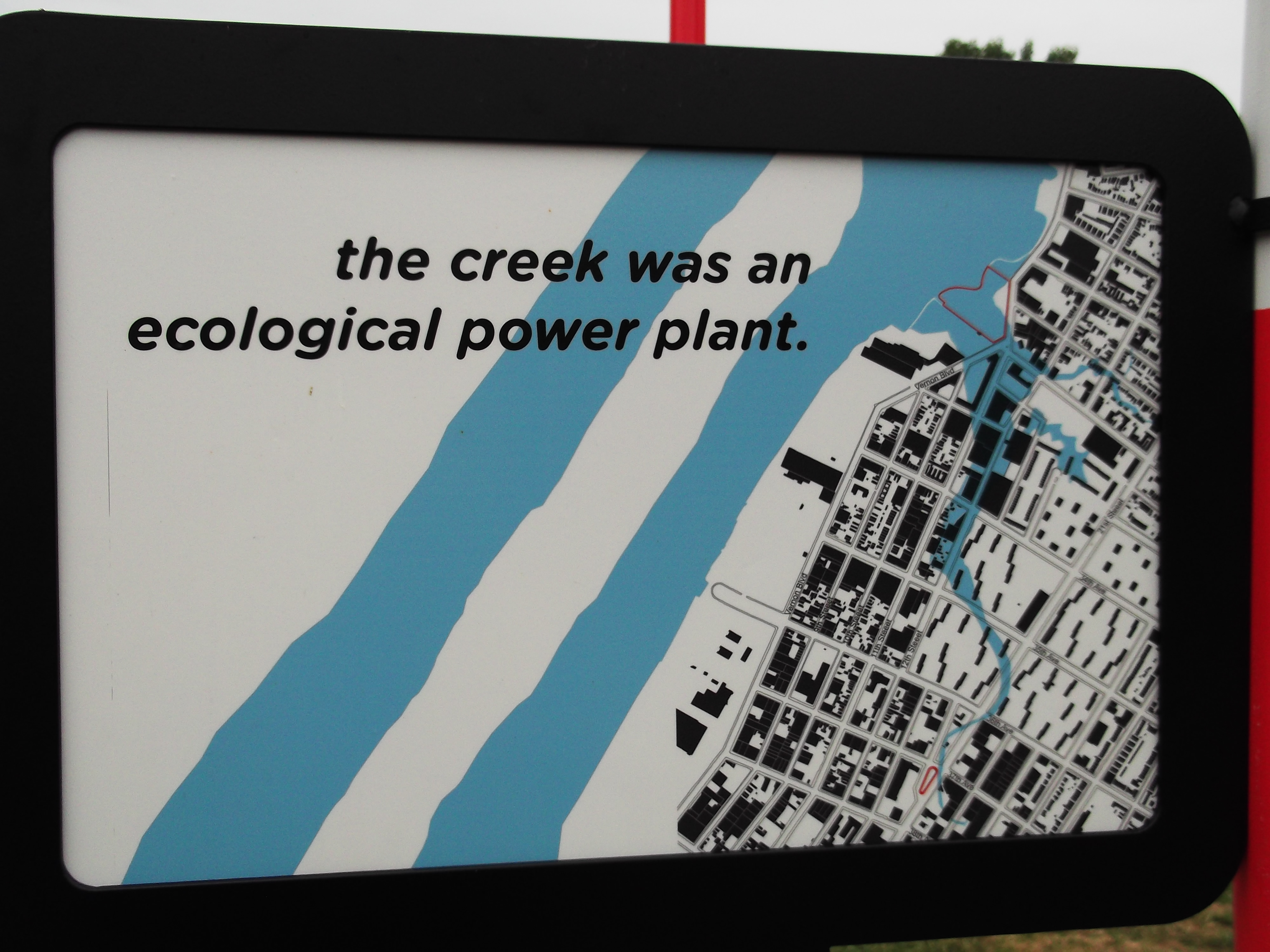
Civic Action, Photo Chris Fremantle
Various experiments in thinking about site, place, economy, conviviality and ecology. The projects started with discussions and seminars at the Noguchi Museum and have resulted in prototypes in Socrates.
Civic Action Curator, Amy Smith-Stewart states:
The exhibition at Socrates shows us what the neighborhood once was and what it could be. It asks questions. Why can’t the community reclaim its scenic riverfront? How can the cultural activity of the Park extend out beyond its immediate surroundings? Why does the ecology around us matter? And how can this place become an innovative district for artists, scientists and urban planners and how can the area improve the quality of life for New Yorkers?
What is Socrates: if a sculpture park is normally like a museum (ie looking after stuff), then Socrates is more like a contemporary art gallery (showing new ideas and installations) mixed with some aspects of a workshop (bringing communities into contact with artists). And its also a public park being used for walking, practising the trumpet and sitting in the sun.
The curatorial approach has also evolved. In the past it was perhaps more like a sculpture park as museum – some works installed for long periods, stand alone objects to be admired.
A publication for Civic Action would be good.
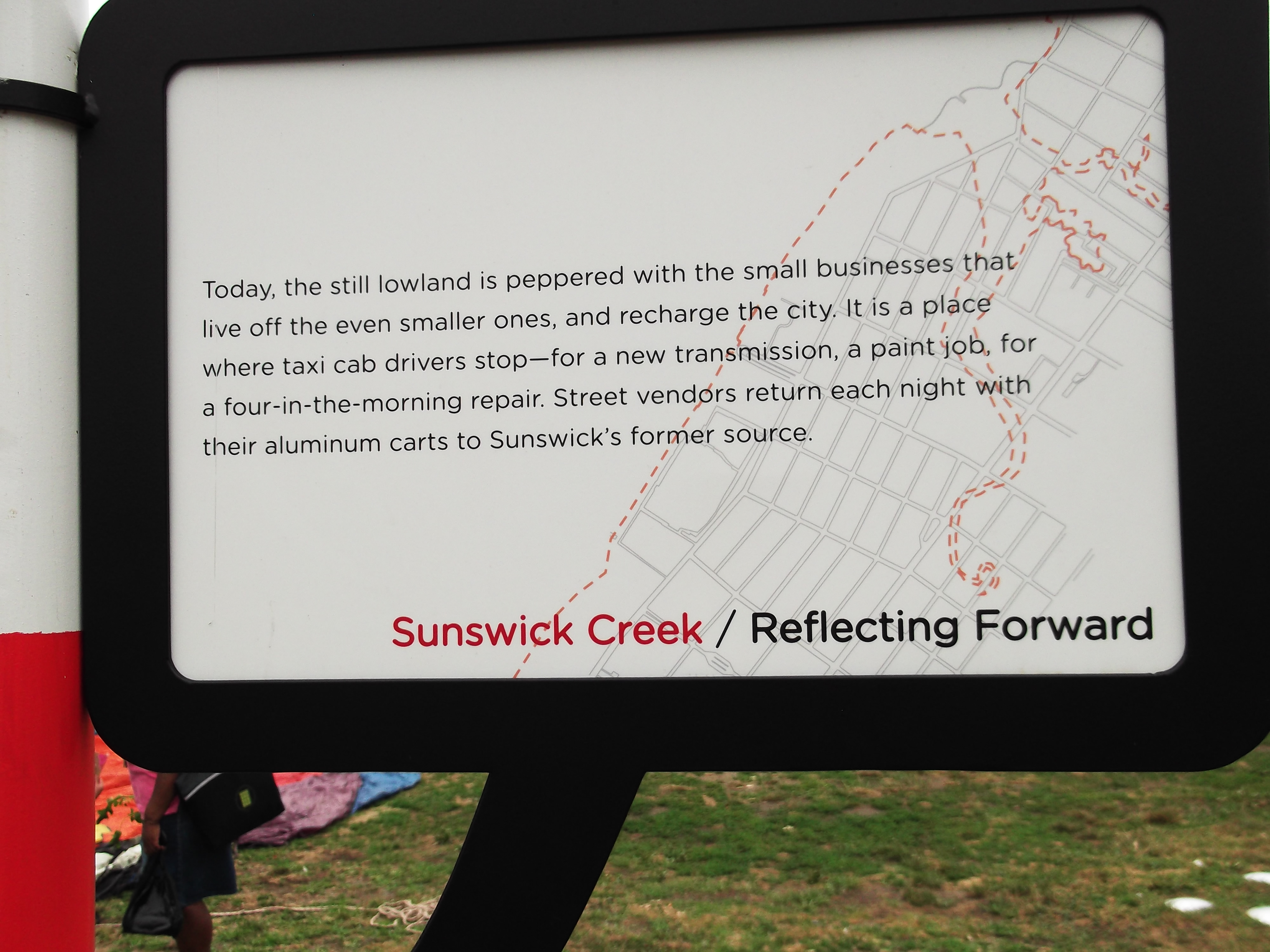
Civic Action, 2012, Photo Chris Fremantle
What Art have I seen?
Brandon Ballengée’s the Collapse: The Cry of Silent Forms at Ronald Feldman, NYC.
NB Ballanjee has put together significant amounts of background research into a series of ‘appendices’ available on Feldman’s.
What art have I seen?
Ellsworth Kelly Plant Drawing at the Metropolitan Museum of Art, NYC
What art have I seen?
Richard Wright, Works on Paper, Kelvingrove Art Gallery with excellent documentation on the Modern Institute’s site.
Tim Rollins and John Ahearn
Spirit of the Bronx at Frieze New York – FT.com.
Tim Rollins and John Ahearn: the contradictions of earnest and ethically engaged artists interested in beauty being part of Frieze NY.
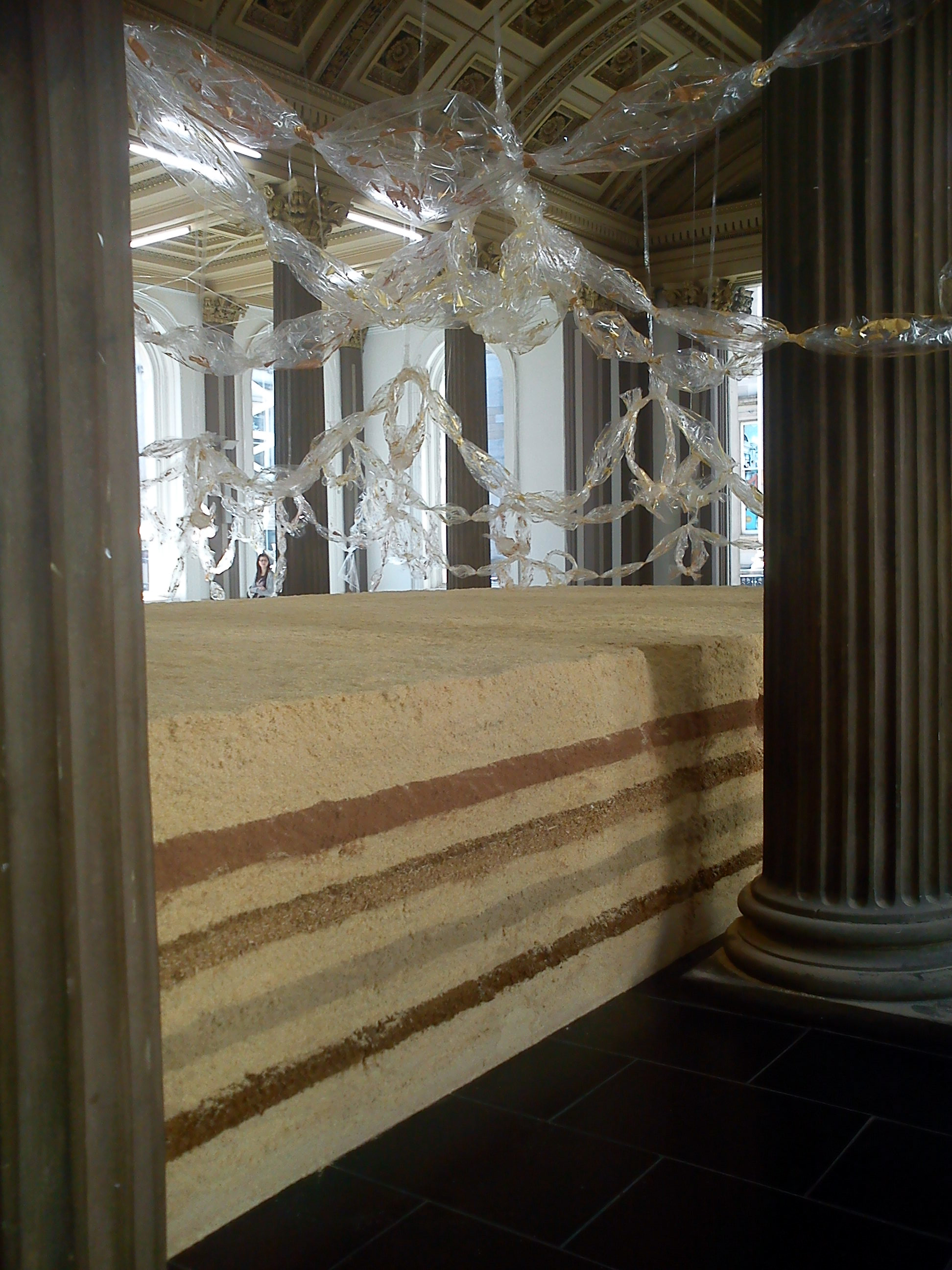
What art have I seen?
George Wyllie: A Life Less Ordinary, Collins Gallery, University of Strathclyde.

What Art have I seen?

Image from Electronic Arts Intermix
Mono Lake, Nancy Holt and Robert Smithson, CCA Glasgow
There is an excerpt at http://youtu.be/lwyE2DxaN40
Smithson created one of his nonsite works with materials collected on this trip.
What Art have I seen?

Image from Stills
Ship of Fools, Allan Sekula, at Stills in Edinburgh
What art have I seen?

Image from Gagosian website
Paul Noble’s Welcome to Nobson at Gagosian.

Image from Royal Academy website
Building the Revolution: Soviet Art and Architecture 1915–1935 at the Royal Academy,
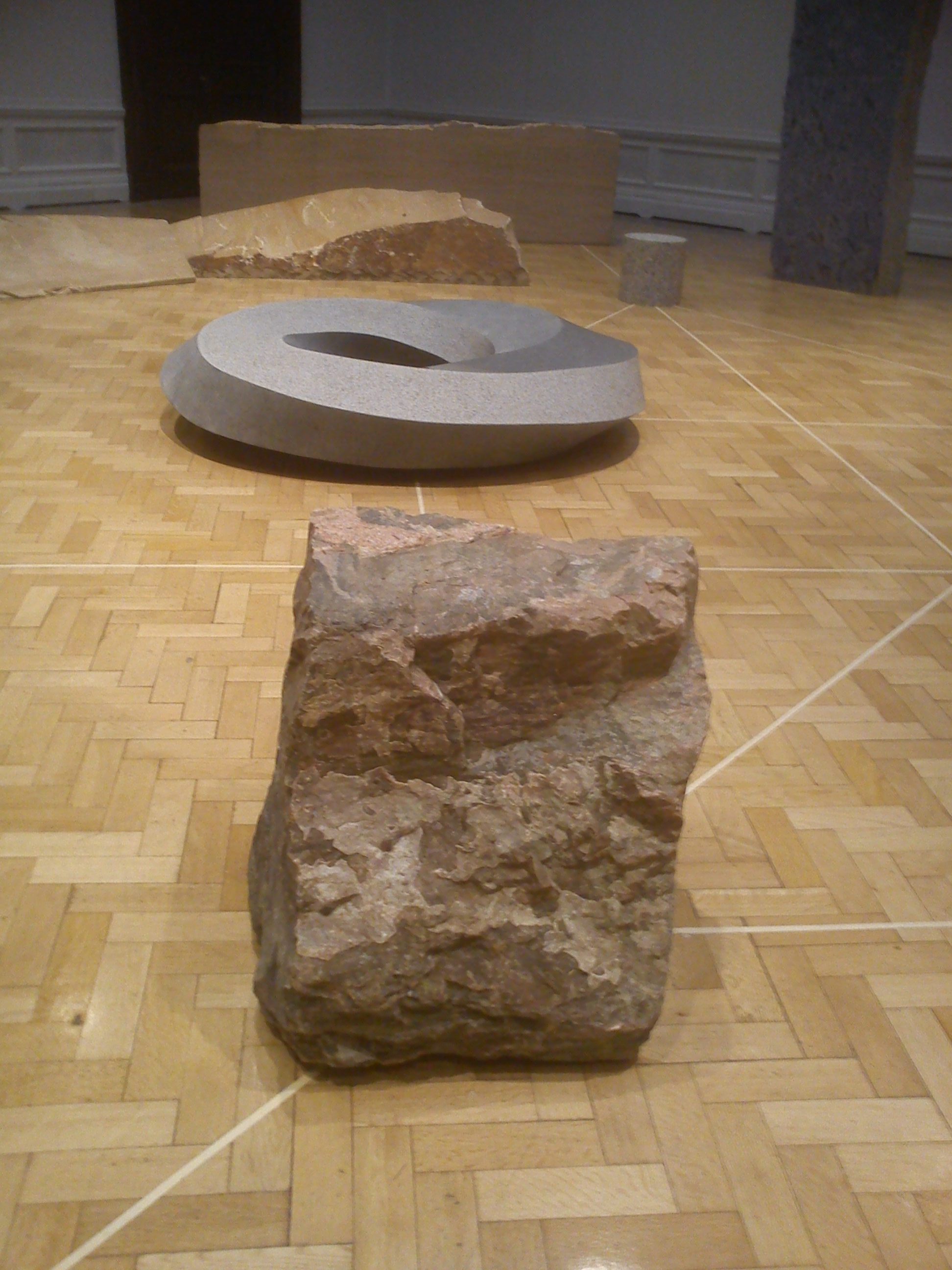
John Msinr RA, Installation in Weston Rooms at Royal Academy, Photo: Chris Fremantle
Artists’ Laboratory 04: John Maine RA After Cosmati
What art have I seen?
At the Wellcome Collection this morning:
Bill Fontana’s White Sound: an Urban Seascape;
Felicity Powell’s A Charmed Life: The Solace of Objects;
Infinitas Gracias: Mexian Miracle Paintings;
and at the Freud Museum, in addition to his collection of sculptures, Barbara Loftus’ Sigismund’s Watch: a tiny catastrophe.
What art have I seen?
Museum of Everything Exhibition #4 at Selfridges and Gerhard Richter at Tate Modern
What art have I seen? AHM State of Play
Ruth Ewan’s Brank & Heckle at Dundee Contemporary Arts.
There for the AHM State of Play symposium. Ross Sinclair’s rant by audio/powerpoint was very refreshing, Jean Urquhart MSP deserved a standing ovation and perhaps hit the nail on the head. The Manifestos were really good, especially Tara Beall’s.
Once again, and precisely because there was no policy agenda being promoted, one must think hard to understand the point. Most conferences are organised by bureaucracies seeking to promulgate their policy initiatives and secure adoption by practitioners. Conferences organised by practitioners tend to complicate and agitate.
So what were AHM attempting to complicate and agitate? The simple answer might be in Jean Urquhart MSP’s talk which ended with an invitation or a challenge for the artists to engage more directly with the political – get stuck in, get into the Parliament, get political, stop talking the talk and start walking the walk.
And this is probably true, although perhaps the ambition for AHM was more subtle and demonstrated through the one-minute manifestos. These were a platform for artists (in the broad sense) to articulate something, frankly anything, that they felt it was important to say. Over the three events, some were political, some humorous, some dadaist, some demonstrated their point through their form.
My manifesto was intended to set out what I think is important in doing what I do. I was glad to be able to be part of another two manifestos (in the end). I was part of Tim Collins Anthropocene Evolution Alliance and on the day I found myself being part of Tara Beall’s multivocal performance.
We all have stuff to say and we all believe that it matters.
What art have I seen?
Ingrid Calame at the Fruitmarket in Edinburgh
Martin Creed Work No. 1059, 2011
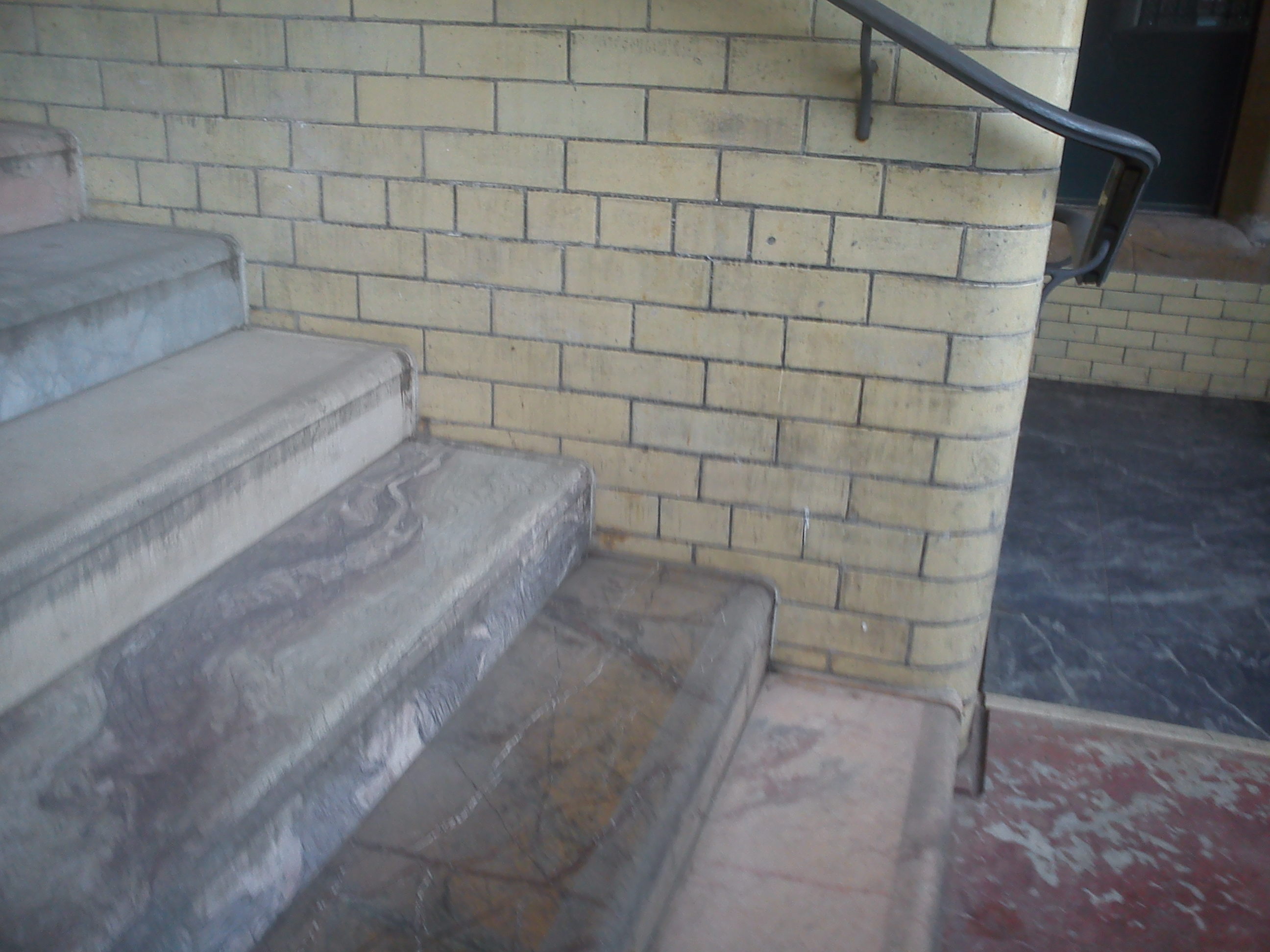
The Scotsman Steps, 2011, Photo: Chris Fremantle
Martin Creed Work No. 1059, 2011
Annandale Observer – News – 21st August 11

Merz, Sanquhar
Models and Metaphors: David Ruston at Merz in Sanquhar, Dumfries & Galloway
Images associated with the show at the Herbert on Flickr
Get a message from Simon Beeson on Facebook that he’s headed south after his annual pilgrimage to Edinburgh. Sorry to miss us. He says he stopped in Sanquhar to see David Rushton’s Merz exhibition – he provided a postcode. David Rushton was involved in Art & Language and now lives in Edinburgh. Curious, so on Sunday head East to Cumnock and then South East (intentionally overshooting to the Drumlanrig Cafe in Thornhill for good pizza and coffee) to Sanquhar. Just off the main street around a corner is a smallish, previously industrial, building. Simon had said something about lemonade.
David Rushton’s studio and exhibition space, called Merz, presumably in homage to Schwitters, is just fantastic. It has all the mod cons including a basement studio, an attic to sleep in, a wall that swings out to reveal a kitchenette, and a toilet and shower tucked at the other end. All of these are pushed as far to the edges of the building as possible, in Rushton’s description, to make the most space for exhibiting, perhaps 800 sq. ft. maybe less. There is a woodburning stove at the end of the gallery next to the desk.
He has temporarily installed Models and Metaphors – a show he had in Coventry – in this space.
I haven’t wrapped my head around the work yet, except for the piece (all the works are 1/24th scale vignettes) of a fictitious Pripayat Cultural Centre with major conceptual art works installed. This exhibition opened on 26th April 1986. It was immediately irradiated in the Chernobyl disaster, instantly making conceptual art once again of no financial worth.
What is the importance of art? Is its importance financial? Rushton clearly thinks not if he imagines irradiating his own generations’ best work. He also thinks not, if he chooses to locate himself in Sanquhar. But it is a brilliant place to be. And this is a brilliant space. And brilliant things are going to happen in it.
The only press coverage I could find was in the local paper Annandale Observer – News – 21st August 11.
Without question the most interesting things happen on the edge, in the rural, where it’s least expected.
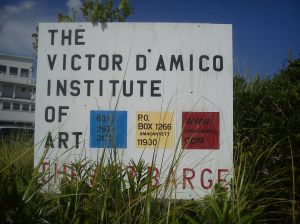
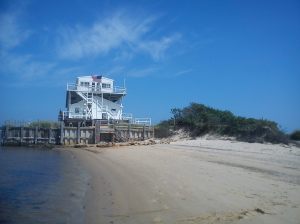
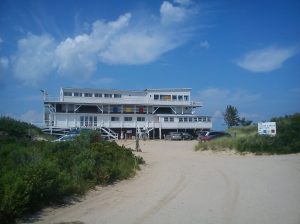
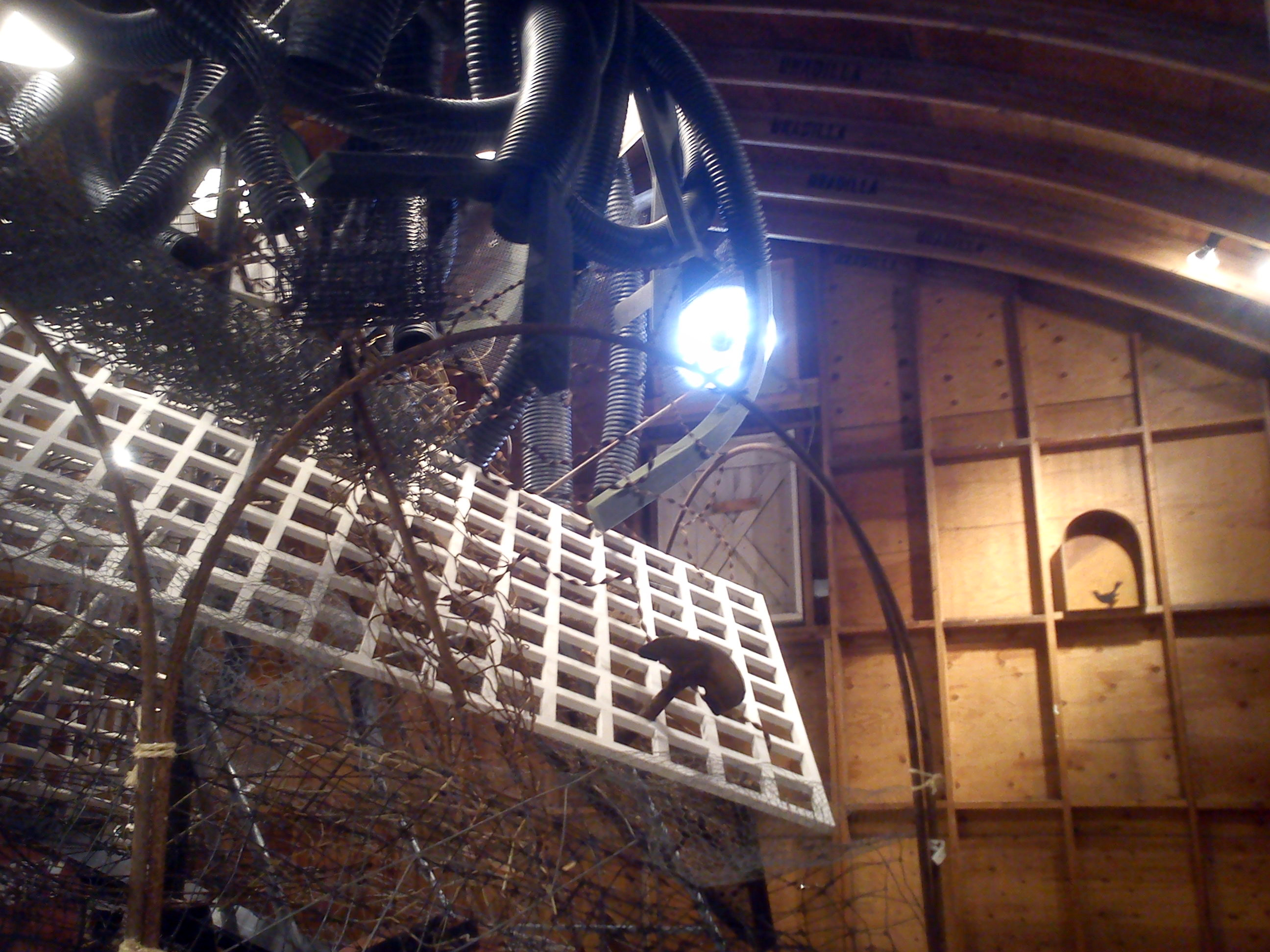
What Art have I seen?
Michaelangelo Pistoletto at the Serpentine Gallery (and I found the secret door to the Bidoun Library).
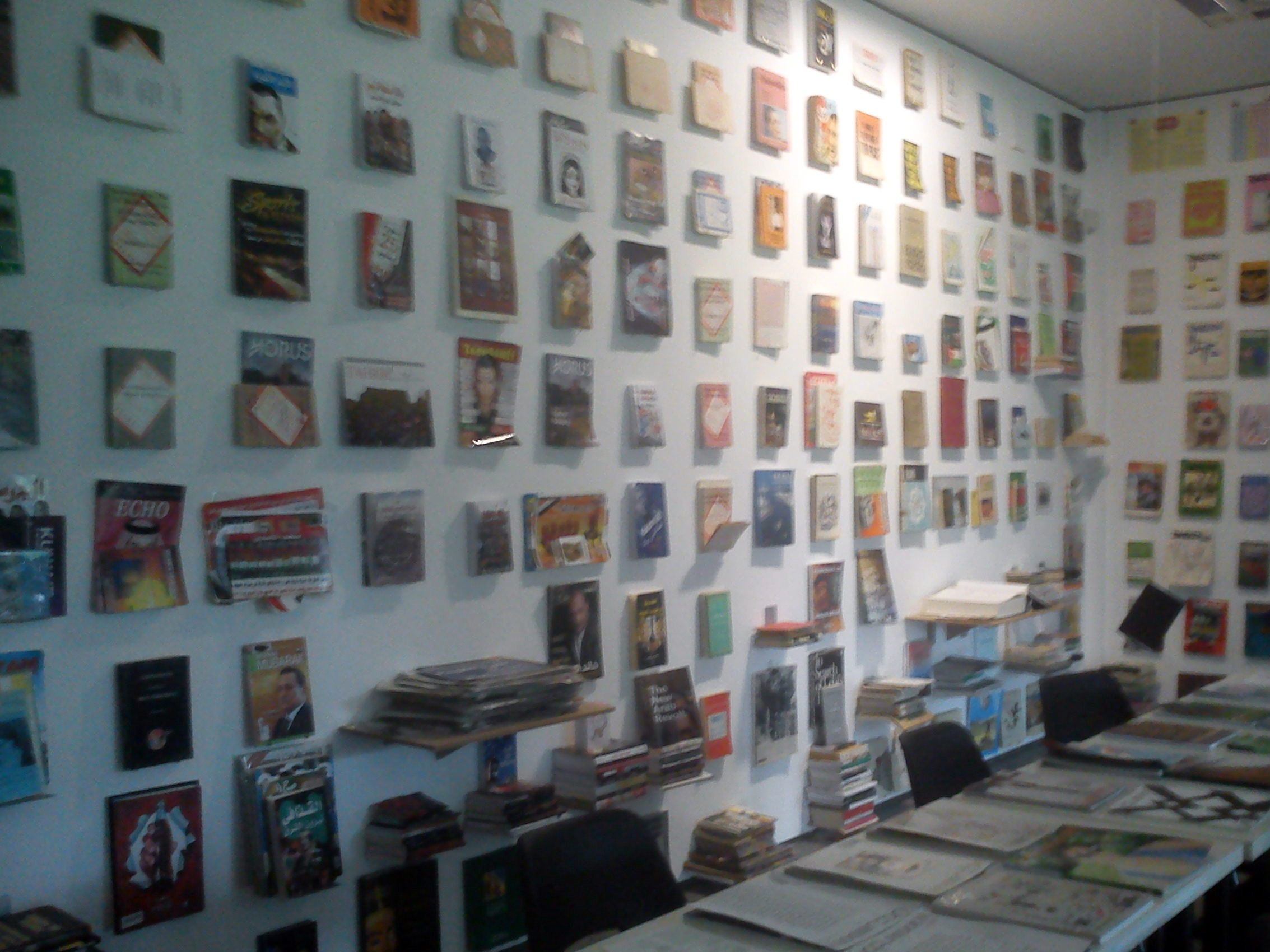
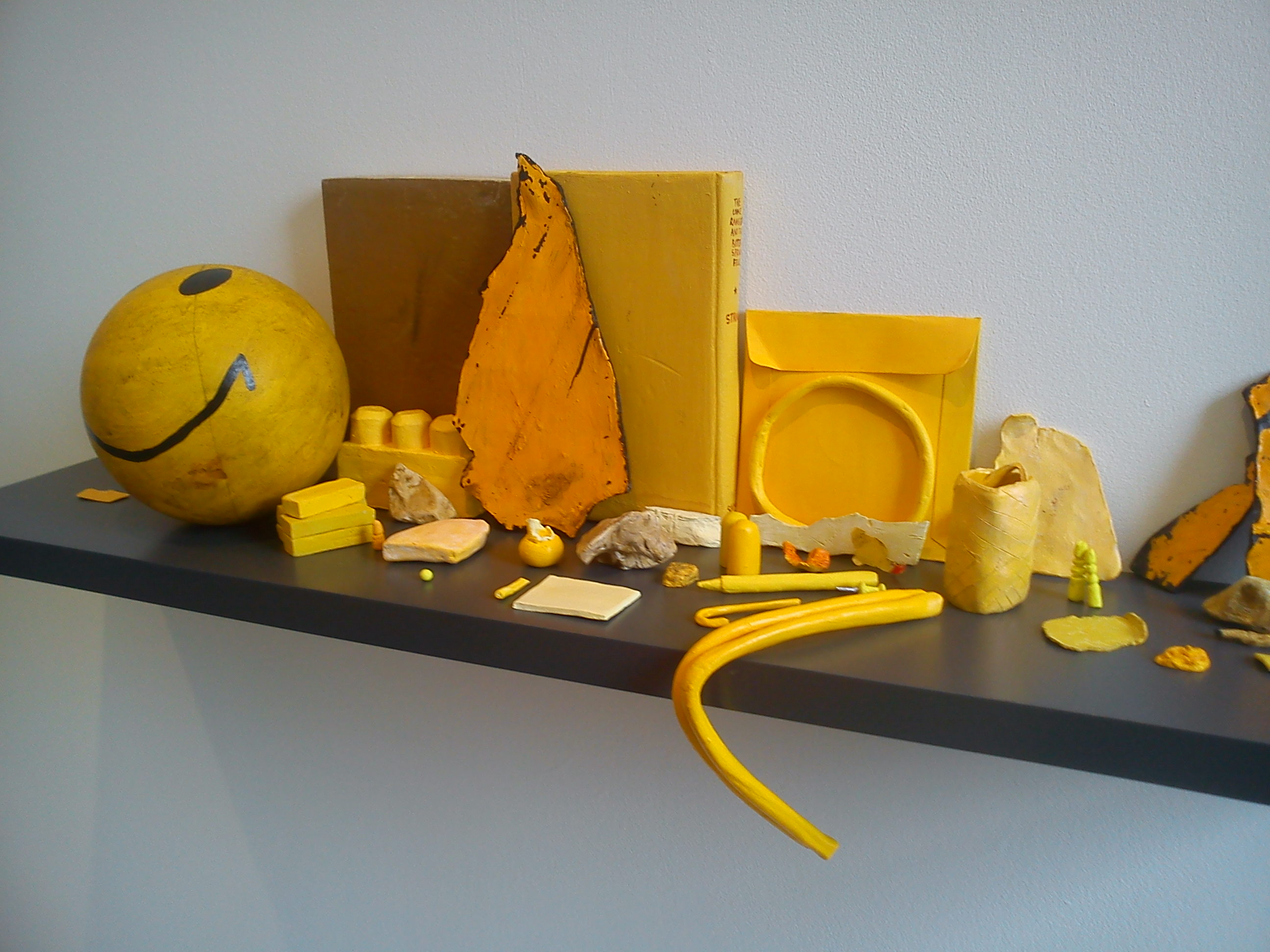

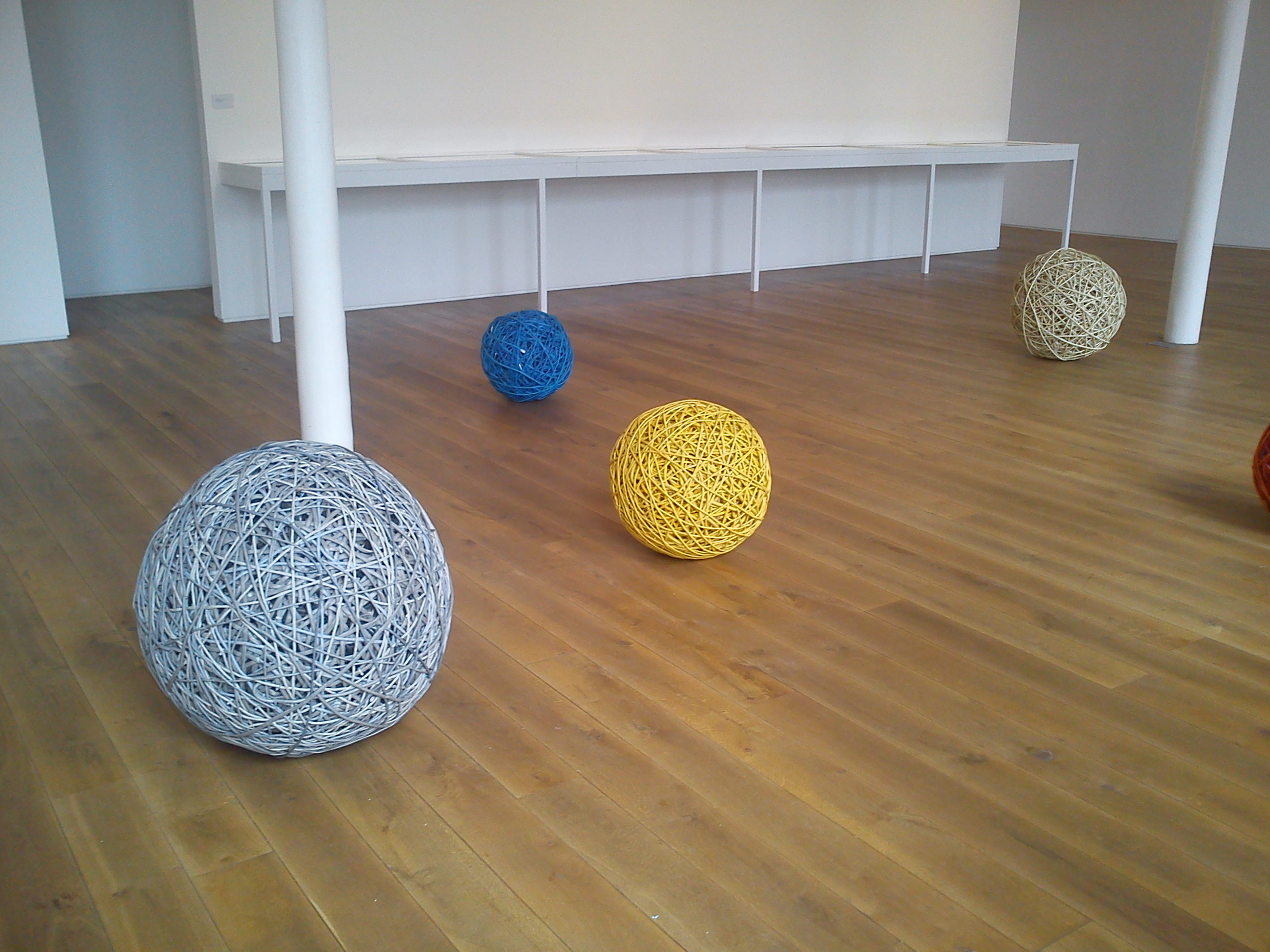


Postcards to Japan
Express your support to the people of north east Japan by sending original A5 art work postcards.
After the major earthquake and tsunami in north east Japan on 11th March 2011 power supplies, land lines, mobile phone networks and internet access went down, making it extremely hard to contact family and friends to find out if they were safe.
The post office were quickly up and running again and in many cases the first news that loved ones were safe was by postcard.
Inspired by the wonderful impact postcards can have, we would like to invite artists and poets to send tangible messages of support to communities affected by the devastation by making A5 size original artwork or poetry postcards and posting them to:
“POSTCARDS TO JAPAN”
Ukishima Net,
Iwate, Iwate, Iwate,
028-4423,
Japan
We will collate all the postcards received into an exhibition to tour venues in north east Japan. There is no deadline, but if we have as many cards as possible by the end of May we can start putting on exhibitions. We also hope to publish a catalogue of the postcards received. Any profit made from the sale of catalogues would be donated to recovery projects in north east Japan.
Please look out for updates on http://www.ukishima.net If you have any questions please e-mail info@ukishima.net
What Art have I seen
Cedric Price, The Lighthouse;
Hidden Gardens;
Ulla von Brandenburg, The Common Guild,
Jeremy Millar, CCA
With some of ASN1 (and my mother for the first two)
What Art have I seen?
Dirt: The Filthy Reality of Everyday Life
at the Wellcome Institute
with Liz Petrovitch
What Art have I seen?
Blueprint for a Bogey, Gallery of Modern Art, Glasgow
Followed by Chris Dooks’ talk on play as a creative strategy
What Art have I seen?

John Cage, Variations No. 43, 1987 From a series of 44 smoke paper monotypes with branding, Crownpoint Press
Every Day is a Good Day: The Visual Art of John Cage at the Hunterian Art Gallery, Glasgow.
Sunny Dunny
Well not exactly, but it wasn’t sunny leaving another Scottish seaside holiday town this morning either. I was invited by Polarcap (Liz Adamson and Graeme Todd) to see their current exhibition, Vegetable Loves, at West Barns Studios.
Adamson and Todd curate projects as Polarcap, and are also, with another colleague, the organisers of West Barns Studios, a project space and six studios outside Dunbar on the East coast.

Derrick Guild, root crop, oil on resin with cz diamonds, 2006
Drawing inspiration from Andrew Marvell’s most famous poem To His Coy Mistress and hinting at the ecological interests of the curators, Vegetable Loves includes a range of work, from Jonathan Owen‘s obsessively recarved figure which started as Don Quixote and is now a surrealist fantasy of the bondage of books, to Jacqui Irvine’s ‘painting’ made by the snails in her garden working for her in exchange for the nacotic joys of envelope adhesive. Having just been reading Boris Groys’ essay in the e-flux Journal Marx After Duchamp, or The Artist’s Two Bodies, I wonder what sort of alienated labour that represents?
The melody in the background, part of the video by Soland Goose found by following the sound down a corridor to a small alcove, alludes to agriculture. Furrow patterns in a field caught in the low sunlight of the Scottish winter are animated by, organ-grinder-like, C-A-B-B-A-G-E.
The sound of running water takes over as guide to the inquisitive, leading to a projection with a fountain. Images of anonymous, un-peopled, spaces in a modern city, curiously new and yet bereft of life, as if abandoned, are projected on the wall. In front stands a red plastic stool with a bucket on it, but the roof is not leaking. Instead a small garden water fountain mechanism is in the bucket, and a spout of water arcs into another bucket on the floor. Where the images are of modern topiary perfection (nothing like a garden in the Italianate style), the fountain is an improvised icon of a Shanghai market, offered by an artist Rania Ho to Todd in remembrance of a visit (as I understood).
But going back to Groys, underneath the skin of this exhibition we find precisely the problems of labour in contemporary art. Adamson and Todd collaborate on curatorial projects, whilst Todd maintains a formal painting practice. Both also lecture at Edinburgh College of Art (and are probably being expected to evidence ‘impact’ for the REF). Talking about the exhibition they commented on the arrival of Hayley Tompkins elegantly simple and modest work from her gallery, the Modern Institute, and the importance of good packaging in signalling the significance of the artist. Todd described with loving detail the layers of foam rubber and the precision with which they had been packed. Whilst Groys is right that there has been a shift from ‘artistic mass consumption’ to ‘artistic mass production’ brought on by the high bandwidth communications which mean that,
“Contemporary means of communication and social networks such as Facebook, YouTube, and Twitter offer global populations the ability to present their photos, videos, and texts in ways that cannot be distinguished from any post-Conceptualist artwork. And contemporary design offers the same populations a means of shaping and experiencing their apartments or workplaces as artistic installations.”
And he is right that institutional critique has been focused on the purposes and powers of art institutions rather than their practicalities,
“Especially within the framework of “institutional critique,” art institutions are mostly considered to be power structures defining what is included or excluded from public view. Thus art institutions are analyzed mostly in “idealist,” non-materialist terms, whereas, in materialist terms, art institutions present themselves rather as buildings, spaces, storage facilities, and so forth, requiring an amount of manual work in order to be built, maintained, and used.”
The grassroots of contemporary art brings all the systemic elements (curatorship, organisational development, fundraising, creating work, installing work, marketing through social media) into the hands of individuals and small collectives where they are still personal bodily activity, and where the results have the touch of the individual. Often, like Polarcap and West Barns Studios, these are also seeking to challenge centre-periphery dynamics, whilst simultaneously allowing Todd to exhibit in London and undertake research visits to China.
What emerges is a new construction challenging the VALS (highlighted in another e-flux journal paper, this time by Martha Rosler) analysis which aligns ‘experiencers’ to the highest value and ‘makers’ with the lowest value. Innovation is making, making work and making things happen, and yes the experiencers can feel creative through high bandwidth, but they are not changing the world.

What Art have I seen?
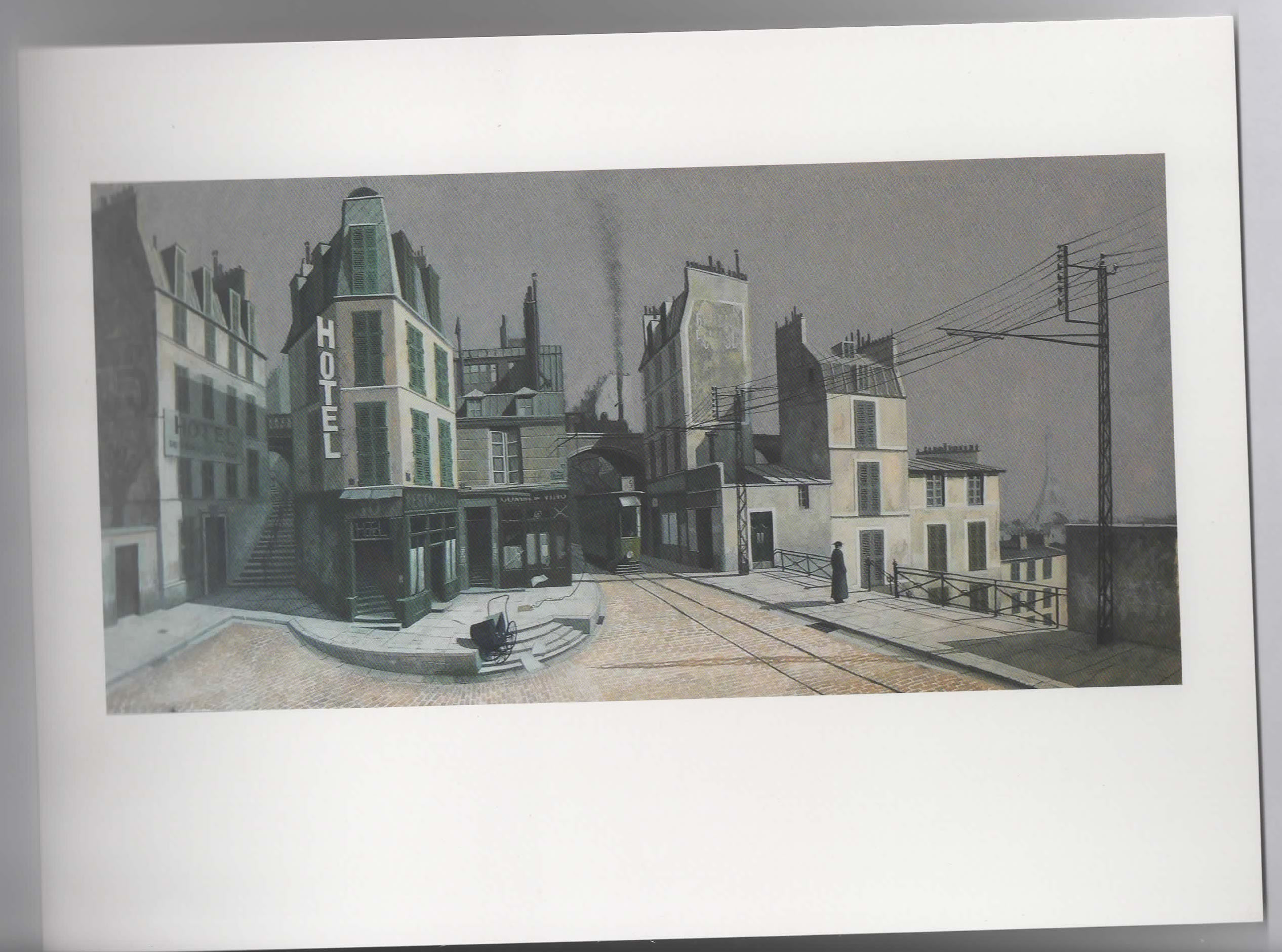
James McNaught at Ewan Mundy Fine Art. This scan of the invitation card does not do this work justice. Figurative art is not dead. Painting is not dead. This sequence of work, almost all concerning urban spaces, but also including two or three still lives, is completely compelling and utterly bewitching. The quality of surreal space (reminding me a little of De Chirico), the implicit narratives of revolution and religion, the still strangeness animated by gusts, were a joy, each more interesting than the last.
McNaught’s works, though labelled as watercolours, are not wishy washy or lightweight. The scenes remind me of various parts of Europe – the appearance of the Eiffel Tower in the distance suggests a working class suburb of Paris, but some of the architecture suggests Italy. The ships, trams and buildings suggest an unmodernised area. The relationship between key aspects of the foreground, the recurrent ‘Abbe’, the crows, the prams sometimes upset, and the papers caught in gusts all suggest a narrative of the imagination. The symbolism of the ‘abbe’ and the crow, in at least one image obvious transformed from one to the other, is perhaps in competition with the symbolism of the Eiffel Tower, the centennial monument to the French Revolution. I’d associate the papers, stacked on a pram or caught in gusts of wind in otherwise very still space, with another form of knowledge from the religious, perhaps with revolution, but communication is also broken – in a number of works the overhead telephone lines are broken. But my favourite was a work entitled ‘still life with all the objects fallen to the edge of the table’, or something like that – almost Juan Gris cubism.
What art have I seen?
Subodh Gupta: Take off your shoes and wash your hands
Artur Zmijewski: Democracies
Both at Tramway, Glasgow
The Turra coo
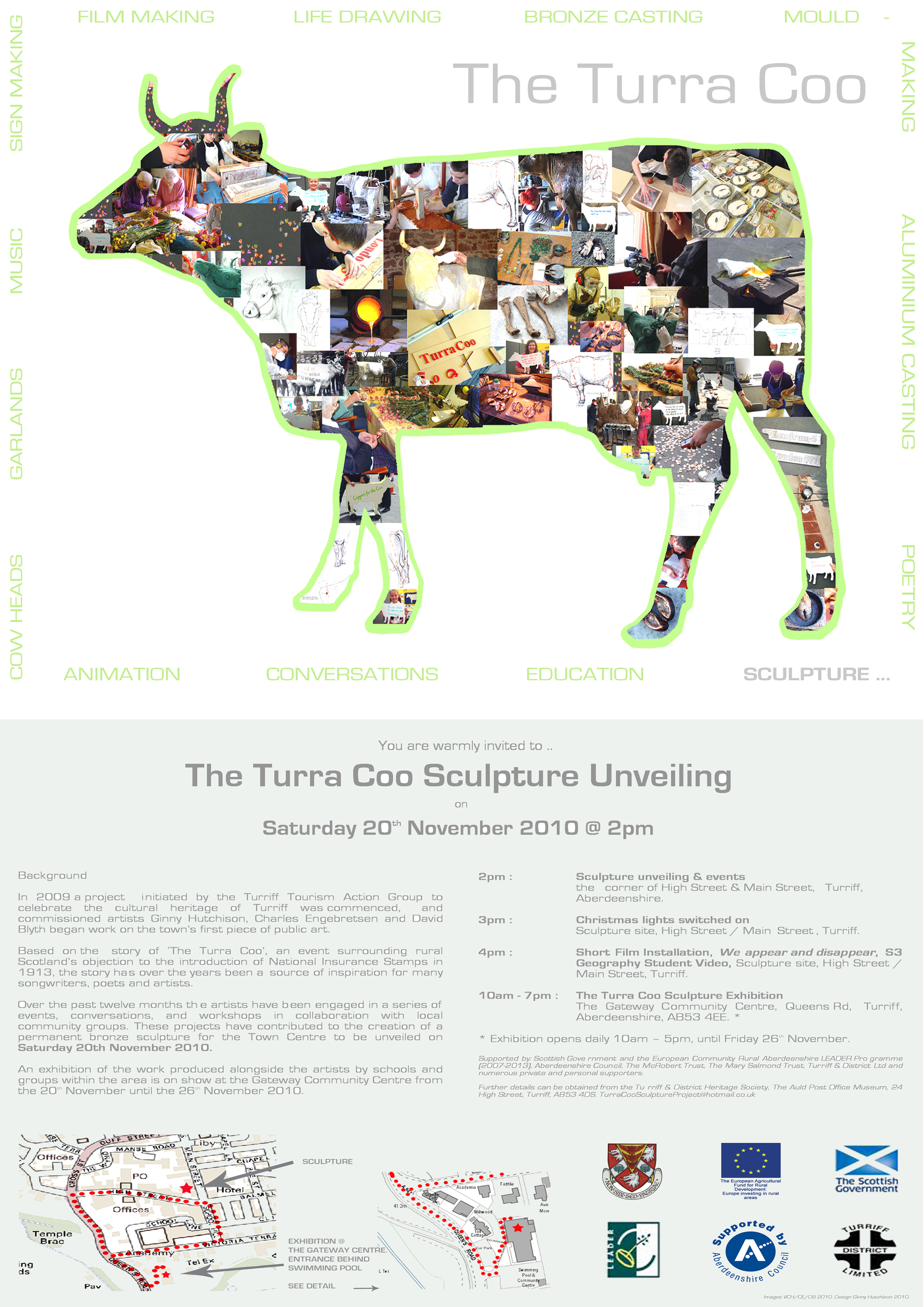 Those excellent artists Ginny Hutchison, David Blyth and Charles Engebretsen are finally unveiling their major new work, the Turra Coo. The original Turra Coo was the centre of a controversy about national insurance stamp. Slideshow on Radio Scotland.
What art have I seen?
Streetlevel‘s two exhibitions, Victor Albrow and Frances McCourt’s Carbeth, are both interesting in very different ways. Where McCourt’s images are close to snapshots of the hutting community at Carbeth. Albrow’s images are completely different: clearly constructed, lit to create an artificial quality, looking almost like paintings. I went to see McCourt’s work but came away very pleased I had seen Albrow’s as well. Talking with Chris Biddlecombe about McCourt’s approach to the subject, I think we both felt that some more strangeness could have been drawn out, either in terms of scale (imagine if the images were life-sized), or if there was more sense of invading the person space of other people (less postcard and more creeping around).
As a postscript there is also a hutting community outside Ayr. I’ve been past a couple of times, the second when introducing Brett Bloom to Ayrshire a few weeks ago. On that occasion we ran into some of the inhabitants who were renovating one of the huts.
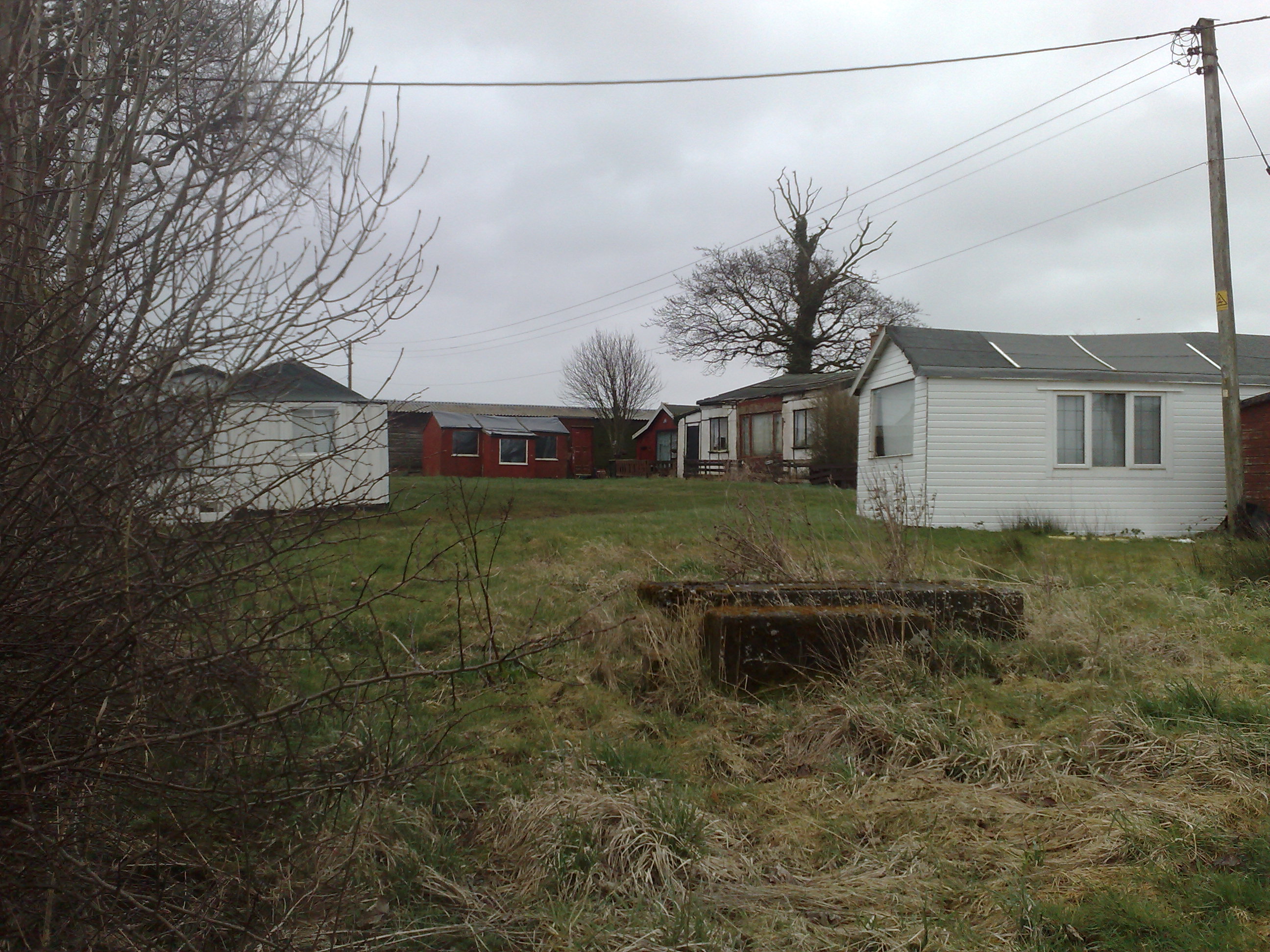
Huts near Ayr (2009) Photo: Chris Fremantle
What Art have I seen?
Walid Raad‘s exhibition at the Whitechapel including the Atlas Group Archive manages to address the condition of conflict through the construction of fictions that draw out the banality and give the banal new meaning. The careful judgement exercised, that neither belittles nor glorifies, but rather makes the everyday, the personal, the experiential, seem significant. The fiction of the police agent #17 turning his camera away from the cafe’s where he’s meant to be documenting the conspirators, and instead recording sunsets is curiously powerful. It’s the story that makes the banality of the sunsets, not even well filmed, into something that keeps the attention.
Rachel Whiteread’s Drawings at Tate Britain emphasise her interest in focusing on absence. Like the Atlas Group Archives’ Sweet Talk File, the process of exclusion renders the abstract qualities of ephemeral reality into an aesthetic object.
Cameraless Photography at the V&A, curiously focuses on the opposite of Walid Raad’s work: where the work in the Atlas Group Archive uses the camera to question the nature of documentary, these artists, as at least one of them says explicitly, choose to avoid the camera precisely to avoid its implication of the documentary.
Robert Barry
I have tended to believe in the curatorial strategy, ‘find that artist who was known in the past and rediscover them.’

From left, Barry, Huebler, Kosuth, Weiner
Robert Barry is one of those names associated with the dematerialisation of art, diary courtesy of Lucy Lippard. Barry and the others in the picture above, the other names, Sol Lewitt, Robert Mangold, etc., and the organisers, e.g. Seth Siegelaub, they were the avant garde, rejecting the domination of the commercial galleries and the academy. Barry’s lecture at Glasgow School of Art as part of the events programme of his exhibition at The Common Guild, Glasgow, started with his move away from painting.
The works Barry made, e.g. Radiation Piece (1969), deeply challenging at the time, retain their edge, not least because, as Barry himself commented, post 9/11 security means that you can’t just buy radioactive materials any more. The troubles of the Critical Art Ensemble, although cleared of all charges after four years, indicate one dynamic of the interface between contemporary art and security. The more recent challenge to academic freedom by UCSD and Arizona over Ricardo Dominguez’s Transborder Immigrant Tool further highlights the sharp edge where contemporary art highlights and questions mainstream values of security, immigration, terrorism and imperialism. Where Barry talks about his invisible works, and the discovery of their form using FM Radios or Geiger Counters, the FBI are now involved in the search.
Barry moved into text pieces and The Common Guild themselves acknowledge the lineage of artists working with text in their press release, coming down to Douglas Gordon, et al.

Robert Barry, 0,5 Microcurie Radiation Installation, 1969
Something which is very near in place and time, but is not yet known to me, a work which Barry made between 1969 and 1972 is perhaps a progenitor of his more recent work. Consisting of the same sentence, Something which is very near in place and time, but is not yet known to me, with a new date added each time it was shown, the date selected for the opening of the relevant exhibition. He made it 30 times and then Seth Siegelaub published a small volume containing all 30 works.

Something which is very near in place and time, but not yet known to me, 1970
Since then Barry has focused on text works, some installed permanently in Swiss banks, such as that of his Italian dealer, and for exhibitions in galleries.

Wallpiece with Blue Mirrorwords, 2006
He described his style, and he used the word style, evolving around the use of a particular typography, a limited vocabulary of perhaps 200 words and a deep concern for the intuitive installation of the works in spaces. The words he has selected have no narrative context or meaning in relation to each other or to him, they are rather objects selected for their physicality, longer, shorter, more ‘o’s, etc. It is the space between them which is supposedly significant.

Word Lists, 2009
In the end this is the second time a Common Guild event has been a disappointment. The last one was Richard Flood, Curator at the New Museum, NY. That time I had gone because I knew of their Night School programme (Anton Vidokle’s iteration of his United Nations Plaza), but Flood didn’t mention it. When I asked a question at the end, he said, “Oh, that’s the work of the education department” and went back to telling us about all the artists he had curated. (Stills then showed the Martha Rosler Library and invited Vidokle to talk, so I got to hear (read post) the bit I was interested in). Robert Barry was also a disappointment. The avant garde becomes not much more than stylised decoration.
I’d rather have John Latham’s ‘God is Great’ or Nathan Coley’s ‘There Will Be No Miracles Here’ or Ian Hamilton Finlay, or Thomas A Clark. Maybe I’m looking for some poetry?

John Latham, God is Great, 2005

Nathan Coley, There will be no miracles here, 2009
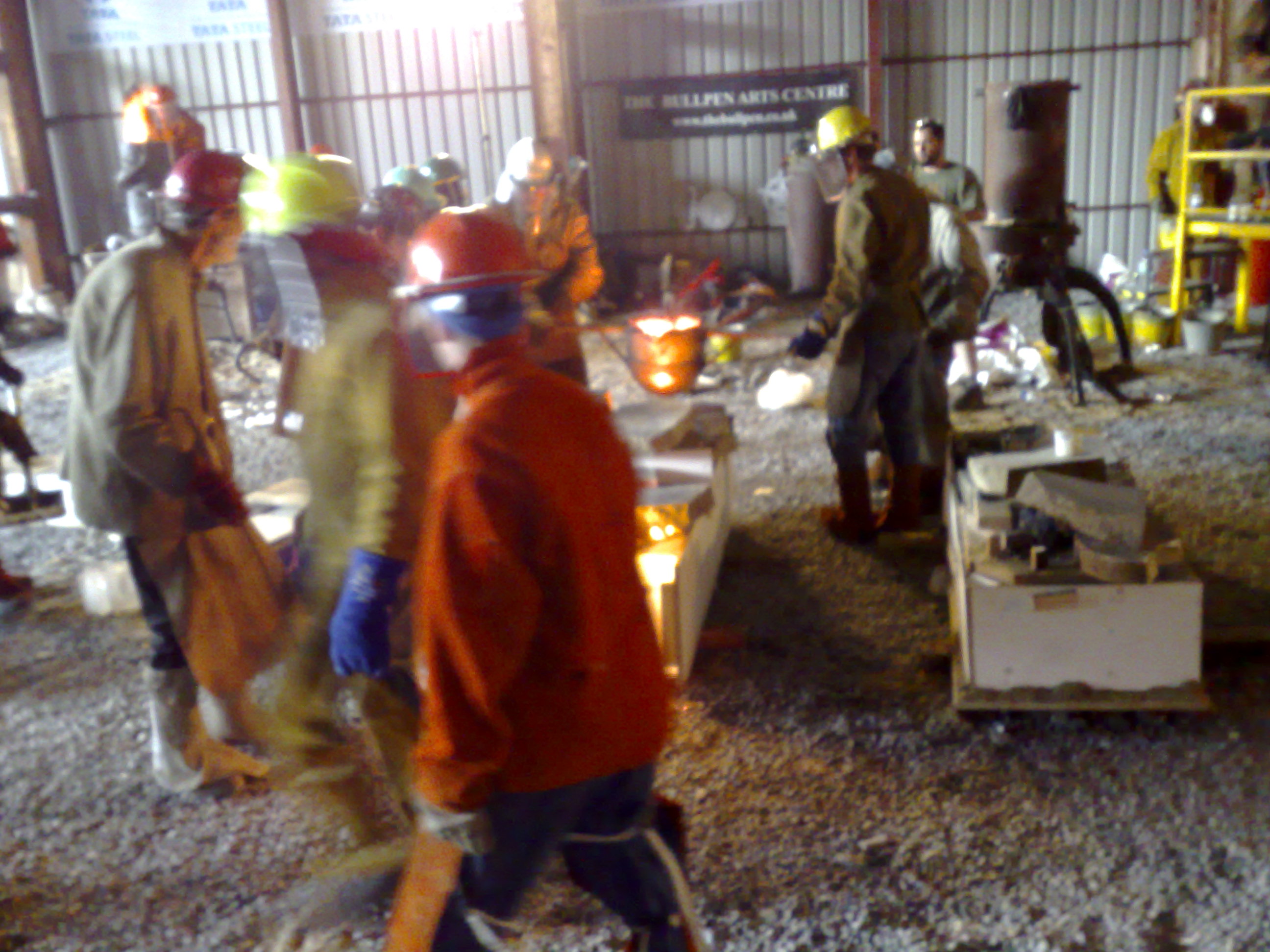
6th International Conference on Contemporary Cast Iron Art
“Come for the Fire Stay for the Art”
“Meet Melt Make”
These are the strap lines on T-Shirts in July in Kidwelly, Camarthenshire: more than a hundred artists taking over an industrial museum to live and breath casting iron. Hard hats, leather aprons and jackets, work boots, gloves, face masks, lots of moulds being made and poured…[more]
What art have I seen?

Leonora Carrington, Guardian of the Egg, 1950, Oil on canvas
Surreal Friends, Pallant House, Chichester
I wondered why this exhibition wasn’t also visiting Edinburgh, given that the Dean Gallery has Roland Penrose’ Surrealist Library amongst other materials. Then I discovered they are having a big exhibition about male surrealists at the Dean this summer. This exhibition would have been an excellent counterpoint: male/female, domestic/public etc.
Leonora Carrington (1917-2011), Spanish painter Remedios Varo and Hungarian photographer Kati Horna ended up in Mexico because of the war – all of them would have been dealt with ruthlessly by the Nazis if they had stayed in Europe. Moving to Mexico gave them space to develop their art in a context of friendship and a conducive culture: just look at Horna’s photographs of sugar skulls. Mexican culture is closer to death and of course has its own Surrealists (Frida Kahlo’s ghost is present, but does not diminish this work).
Where a lot of surrealist work emphasises the artists’ unconscious in quite a dream-like landscape (think of de Chirico’s piazzas), for these artists the surreal is also the personal – the internal personal is also the external personal. Settings are often houses and gardens. children and animals belong to families, not just to dreams.
The curatorial approach has a personal dimension not normally seen in public retrospectives – many of the essays in the catalogue are by relations and friends. Individual connections are foregrounded – Joanne Moorehead is related to Leonora Carrington. Edward James lived just down the road at West Dean as well as in Mexico and was one of the foremost collectors of the work of these artists as well as part of the social circle.
The personal iconography is of cooking merging with alchemy and families with tethered animals. Strangeness is in the opening up of the basement of everyday life as part of a complex, but lived reality. Carrington draws on the language of Italian and Dutch Renaissance painting, and there are moments where her lover Max Ernst is also referenced, but these are the interpretations of an artist with her own language. If the male surrealists draw on the aesthetic of the Barque and Classical ages, where history painting is the highest form, these artists find their inspiration in the painting of the Renaissance. Looking not only at Breugel, but also at the backgrounds of images by artists such as Leonardo, Botticelli and Raphael, Carrington populates her paintings with vignettes and scenarios. She also explores abstraction and still-life. Knowing more of Jung, Gurdjieff and hermetic writing would enable a more detailed understanding of these complex works.
Thinking about Radical Nature
I wrote a piece on the Radical Nature show but since it hasn’t been published anywhere else, I’m putting it up here…


 CHRIS FREMANTLE
leave a comment